

A hostel is a form of low-cost, short-term shared sociable lodging where guests can rent a bed , usually a bunk bed in a dormitory, with shared use of a lounge and sometimes a kitchen. Rooms can be mixed or single-sex and have private or shared bathrooms. Private
Housing is one of the three basic needs of mankind. After the provision of food, it is most important factor for
the physical survival of man. This is particularly true of a special category of individuals –students, especially
those in tertiary institutions, which requires good accommodation for proper assimilation of what they have been
taught. availability is fundamental to living in dignity and to good health, good quality of life
and general well-being. In spite of this inseparable link between good housing and health,
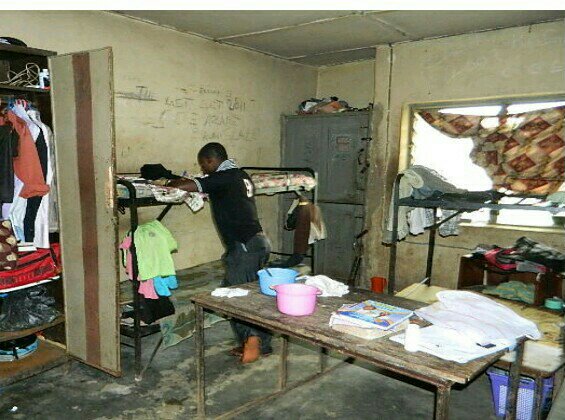
student accommodation in Kaduna polytechnic is severely
overcrowded. The main cause of this perennial problem is the increasing number of students being admitted,
without a commensurate increase in the number of hostel facilities, This situation has been
aggravated by the scarcity of affordable and safe alternative housing in the neighbourhoods surrounding the
institution. the average, occupancy ratio
has increased that is, 6 persons are occupying rooms designed for four persons some of the existing furniture has been removed in order to provide space for additional
double bunks. Most of the few facilities that presently exist in Kaduna polytechnic hostels are built-in style.
Consequently, most students have to study somewhere else, due to the uncomfortable nature of their residences.
However, it has been established that housing has a profound influence on the health, efficiency, social
behaviour, satisfaction and general welfare it means that housing exerts influence
on overall performance of its residents. Students need comfortable accommodation for them to have a conducive
environment for their primary function in their institutions. Nevertheless, original idea of
students’ housing was to provide a more conducive academic atmosphere for students. As a result, the first
generation tertiary institutions built hostels, befitting the image of undergraduate students. Students’ population
then was within control, Presently, the situation of hostel is opposite of what it used to be,
as a result of sporadic increase in number of prospective candidates seeking admission into the
institution. This phenomenon has made hostels lose its original purpose of providing conducive academic
atmosphere, good for learning and social integration. The combined effects of these are increased pressure on
utilities such as water, the frequent breakdown of the sewage disposal system and the unsanitary condition of
some of the halls of residence. This ugly situation in tertiary institutions necessitated the need to assess the
facilities gap, so as to make recommendations for improvement.
 fashiontrands.com